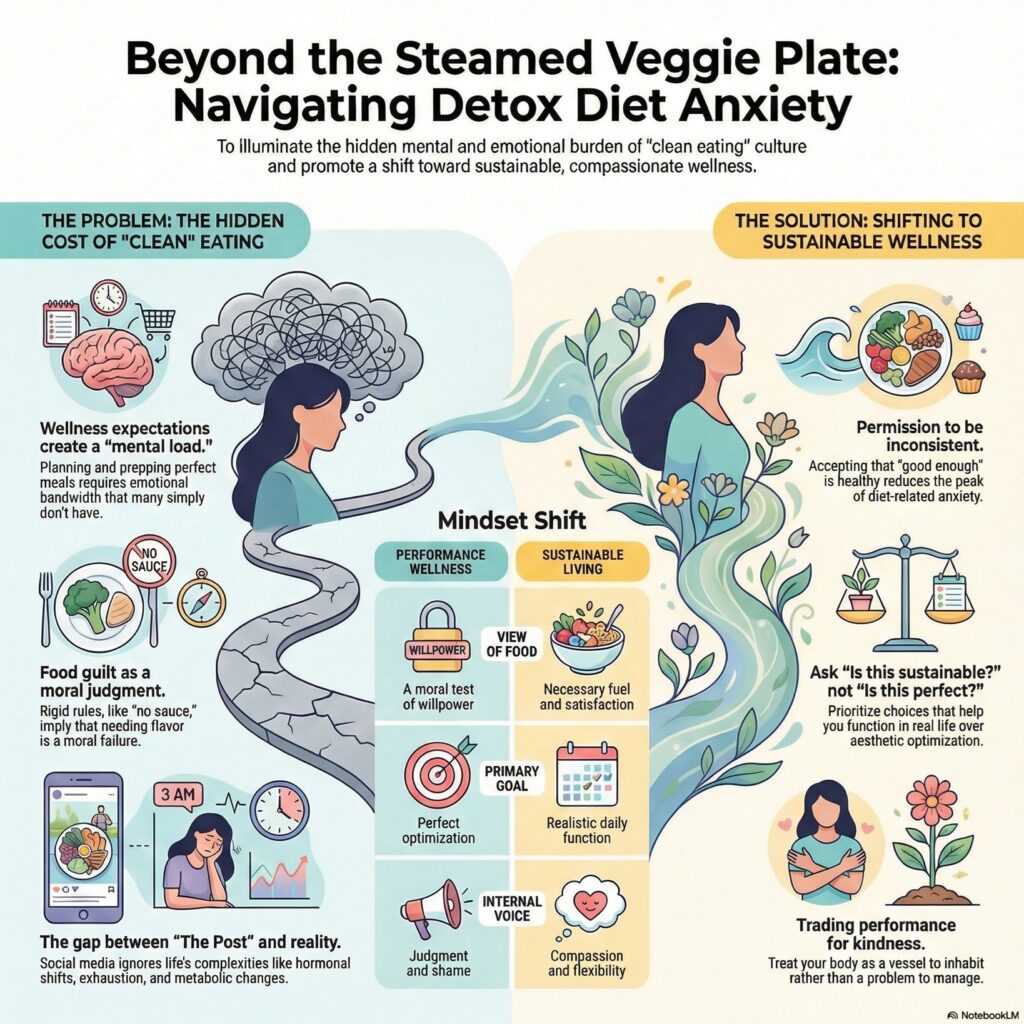
Detox diet anxiety is something I didn’t even realize I had until I caught myself staring at another Instagram post of perfectly steamed vegetables arranged on a white plate. My chest tightened.
Not because I don’t know broccoli is healthy – obviously it is – but because I immediately started calculating all the ways I’d fail at maintaining that level of discipline.
The steamed vegetables without sauce, the meal prep commitment, the mental energy required to care about food optimization when I’m already running on fumes. That’s when it hit me: the real problem isn’t the vegetables. It’s the crushing weight of wellness expectations that come with them.
Understanding Clean Eating Anxiety in Real Life
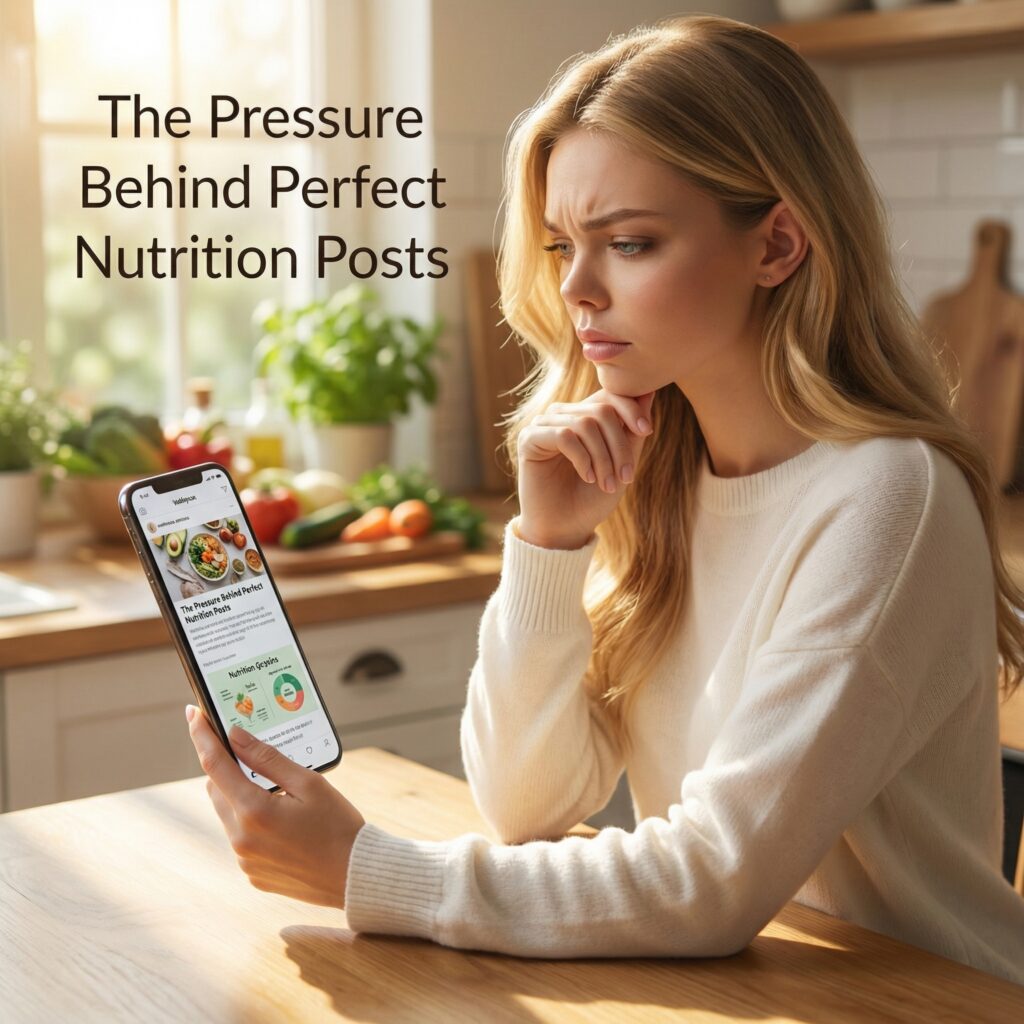
Clean eating pressure has become the background noise of my existence. Every scroll through social media serves up another reminder that I should be doing more, eating better, controlling my body with more precision.
The anxiety isn’t about whether cauliflower is nutritious. It’s about the gap between what these wellness posts promise and what my actual life can accommodate on a random Tuesday when I’ve slept four hours and my brain is barely functioning.
The Mental Load of Perfect Nutrition
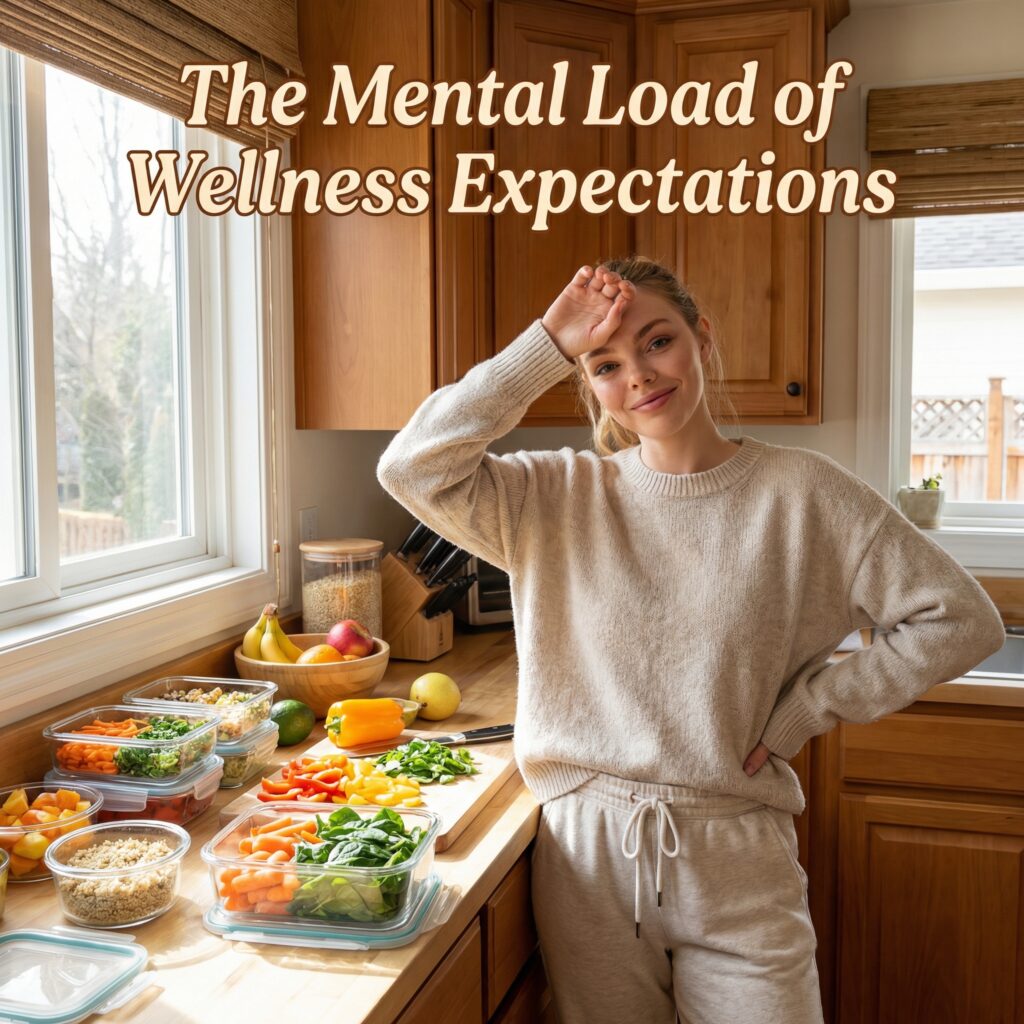
What actually keeps me up at night is the invisible labor of maintaining a detox diet mentality. Steaming vegetables requires planning ahead, having the right groceries on hand, possessing the emotional bandwidth to care about food preparation when there are seventeen other things demanding my attention.
The clean eating anxiety kicks in hardest when I realize that choosing between meal prep and desperately needed sleep shouldn’t feel like a moral test – but somehow it does.
When I see someone post about their daily routine of preparing fresh steamed vegetables, I don’t feel inspired anymore. I feel exhausted just thinking about adding one more task to my mental load. The food guilt starts before I’ve even made a decision.
Body Image Stress and the “Simple Solution” Trap
Here’s what frustrates me most about diet culture messaging around detox plans. When someone posts about maintaining their figure through steamed vegetables and discipline, my brain immediately spirals into comparison mode.
I start questioning whether my body’s resistance to these “simple” changes means something is fundamentally wrong with me.
The body image stress compounds because I’m watching my metabolism shift, my energy levels fluctuate unpredictably, and my hunger signals behave completely differently than they did even five years ago.
When Your Body Stops Cooperating
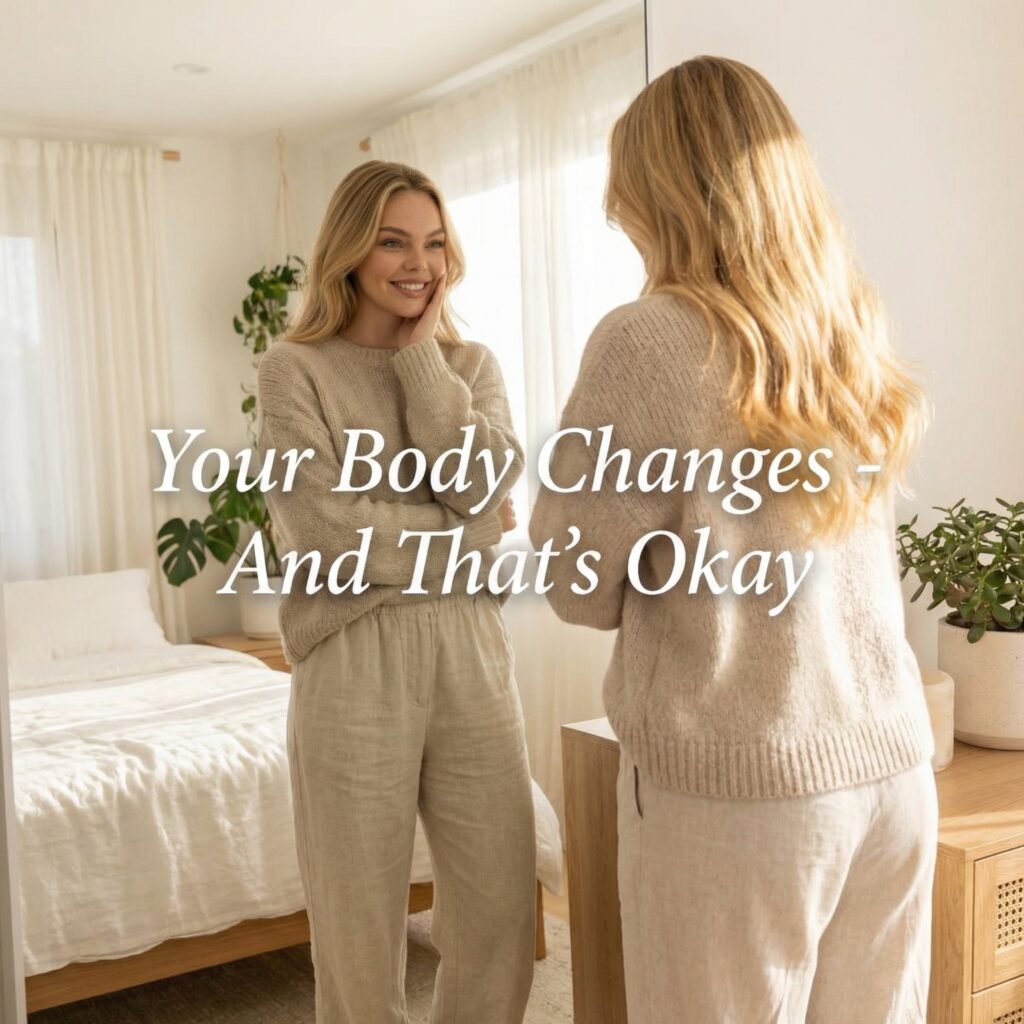
The detox diet anxiety gets worse when you realize that what worked before doesn’t work anymore. Weight management becomes this moving target where the rules keep changing but society’s expectations stay rigidly the same.
I see posts about eating steamed vegetables without sauce and wonder – is that person also dealing with hormonal changes, sleep deprivation, stress eating triggers, and a metabolism that seems to have its own agenda?
Or is there some crucial context being left out to keep the narrative clean and marketable? The wellness overwhelm hits when I realize I’m supposed to figure this out on my own while pretending everything is effortless.
Food Guilt and the “No Sauce” Message

Let’s talk about what really bothers me with clean eating rules. The instruction to eat plain steamed vegetables carries a coded message underneath the practical calorie advice.
It whispers that needing flavor means you lack willpower. That satisfaction equals weakness. That if you can’t be content with unseasoned food, you’re somehow morally inferior in your wellness journey.
The Hidden Shame in Wellness Culture
This is where clean eating anxiety transforms into something darker. The food guilt isn’t really about the ranch dressing or the balsamic vinegar.
It’s about the implication that your needs are excessive, that your humanity is inconvenient, that the gap between perfection and your reality represents personal failure rather than completely normal human variation.
I’ve started to recognize this pattern. Every time I reach for sauce or seasoning, there’s a split second where I hear that voice asking if I really need it. As if enjoying food is something I need to justify.
The body image stress intensifies when you realize that even tiny choices about condiments have become loaded with moral judgment.
Wellness Overwhelm and Decision Fatigue
The most exhausting part of detox diet culture isn’t the actual vegetables. It’s the constant decision-making and performance of optimization.
Do I meal prep on Sunday or catch up on sleep? Do I eat the plain steamed vegetables and feel virtuous but unsatisfied, or add sauce and spend the rest of the day in a shame spiral?
The wellness overwhelm comes from having to treat every single food choice like it’s a referendum on my worth and discipline. I’m tired of performing wellness instead of just living.
When Healthy Eating Becomes Unhealthy Thinking

What I desperately need but rarely find is acknowledgment that some weeks I’ll nail the nutrition thing, and some weeks I’ll survive on whatever doesn’t require a cutting board.
The body image stress intensifies when clean eating culture refuses to make space for normal human inconsistency.
My body is changing. My circumstances are complicated. And pretending that steamed vegetables are a “simple solution” ignores all the invisible complexity that makes them feel impossible.
The detox diet anxiety peaks when I realize that even thinking about food this much is probably unhealthier than just eating what I need without the constant mental gymnastics.
Diet Culture Pressure and the Comparison Trap
Everyone’s debating optimal vegetable preparation methods while almost nobody discusses the emotional warfare of trying to maintain wellness standards that feel increasingly unreachable.
The detox diet anxiety I experience when scrolling through perfect meal posts isn’t really about food – it’s about wondering if I’m the only one who finds this level of control absolutely exhausting.
The Silence That Makes It Worse
The worst part about clean eating pressure is not being able to voice doubts without sounding like you’re making excuses. So most of us just keep scrolling, keep comparing, keep wondering why something presented as “natural and simple” feels completely unsustainable.
The food guilt compounds in silence because admitting struggle feels like admitting failure. We’re all supposed to be effortlessly healthy while juggling careers, relationships, responsibilities, and bodies that won’t cooperate with the script.
I’ve lost count of how many times I’ve typed out a comment about struggling with wellness expectations, then deleted it before posting. The fear of judgment is real.
Sustainable Eating vs. Perfect Eating
Here’s what I actually need instead of another detox diet prescription: permission to be inconsistent. Permission to add sauce when I need it.
Permission to acknowledge that my body’s changes aren’t problems to be solved through sheer willpower and steamed vegetables.
The body image stress would decrease dramatically if wellness culture could make space for the reality that some days you crush it and some days you just survive. That’s not failure. That’s being human.
What Real Support Looks Like
Show me the version for when I’m exhausted. Give me the option that doesn’t collapse when life gets messy. Teach me how to not spiral into clean eating anxiety when I break a streak.
Because the steamed vegetable plate might be nutritionally sound, but the mental and emotional cost of committing to perfection – that’s the price nobody calculates when they post those perfectly curated wellness photos.
I want conversations about how to feed yourself when you’re running on empty, not more rules about what “healthy” is supposed to look like. The wellness overwhelm lifts when someone finally says “good enough is actually good enough.”
Metabolic Changes and Realistic Expectations
The conversation we should be having isn’t about optimal broccoli preparation. It’s about why we’ve created a culture where normal eating requires constant justification.
Where bodies are problems to be managed rather than vessels to be inhabited. Where women carry crushing food guilt for not maintaining standards that were unrealistic to begin with.
Breaking Free from Wellness Performance

What helps me most with detox diet anxiety isn’t finding the perfect clean eating plan. It’s recognizing that the steamed vegetables aren’t the enemy – the rigid all-or-nothing thinking around them is.
My body is going to change. My circumstances will fluctuate. And sometimes none of that has anything to do with how much broccoli I steam on Sunday.
The real freedom comes from stepping off the performance treadmill and just feeding myself like a person who deserves kindness instead of constant optimization.
I’m learning to ask different questions now. Not “is this perfect?” but “is this sustainable?” Not “will this make me look a certain way?” but “does this help me function in my actual life?”
That’s the conversation I wish we were having about wellness, body image stress, and those picture-perfect detox diet posts that make you feel inspired for five minutes and inadequate for the rest of the week.
- Anxiety and diet are more connected than you think. | Vox
- The Superfoods Dr. Gundry Says to Eat or Avoid [2026]
- What Is the Plant Paradox Diet, and Does It Work?
- When Menopause Meets Diet Culture | Psychology Today