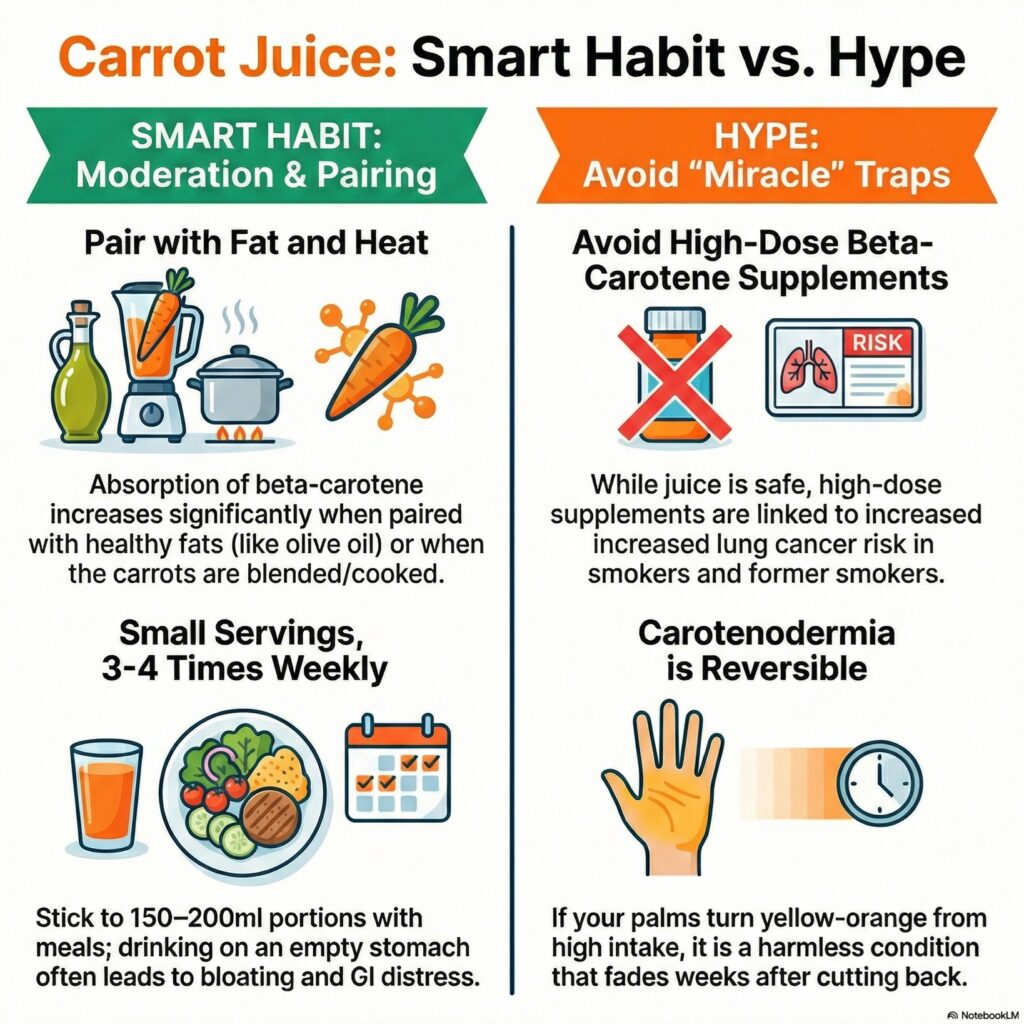
Carrot juice won’t reverse aging, but it’s not useless either. Beta-carotene supports vision and immune function, and your body absorbs it better with fat or heat. The real trap?
You start with one glass, then you’re doing double portions daily, then eyeing supplements, and that’s where smokers hit serious risk. My move? Small servings 3 to 4 times a week, with food, never on an empty stomach.
No daily commitment, no supplement jump. But here’s what the headline won’t tell you. If your goal is anti-aging, carrot juice isn’t your highest ROI move, and I’ll show you exactly why below.
The Real Question Will I Regret This?
I saw the post on a Thursday morning. Celebrity name, minimalist caption, one glass of orange liquid. My first thought wasn’t about beta-carotene or antioxidants. It was, am I falling behind?
That’s the emotional tripwire these posts hit. It’s not about carrots. It’s about the fear that everyone else figured out the secret while you’re still Googling “how to look less tired” at 2 a.m.
So I reframed the question. I’m not deciding if carrot juice “works.” I’m deciding if I’m letting an algorithm push me into a daily habit I didn’t choose on purpose. The filter that actually protects my sanity is this. Is this easy to start, easy to stop, and what’s the chance I’ll regret it later?
That changes everything.
The Real Benefits of Carrot Juice

Beta-carotene converts to vitamin A, and yes, that matters.
Carrots are loaded with beta-carotene, which your body turns into vitamin A as needed. Vitamin A supports vision (especially in low light), immune response, and cell function. The NIH confirms this, and beta-carotene also acts as an antioxidant, helping reduce oxidative stress.
Cooking, blending, and pairing with fat increase absorption.
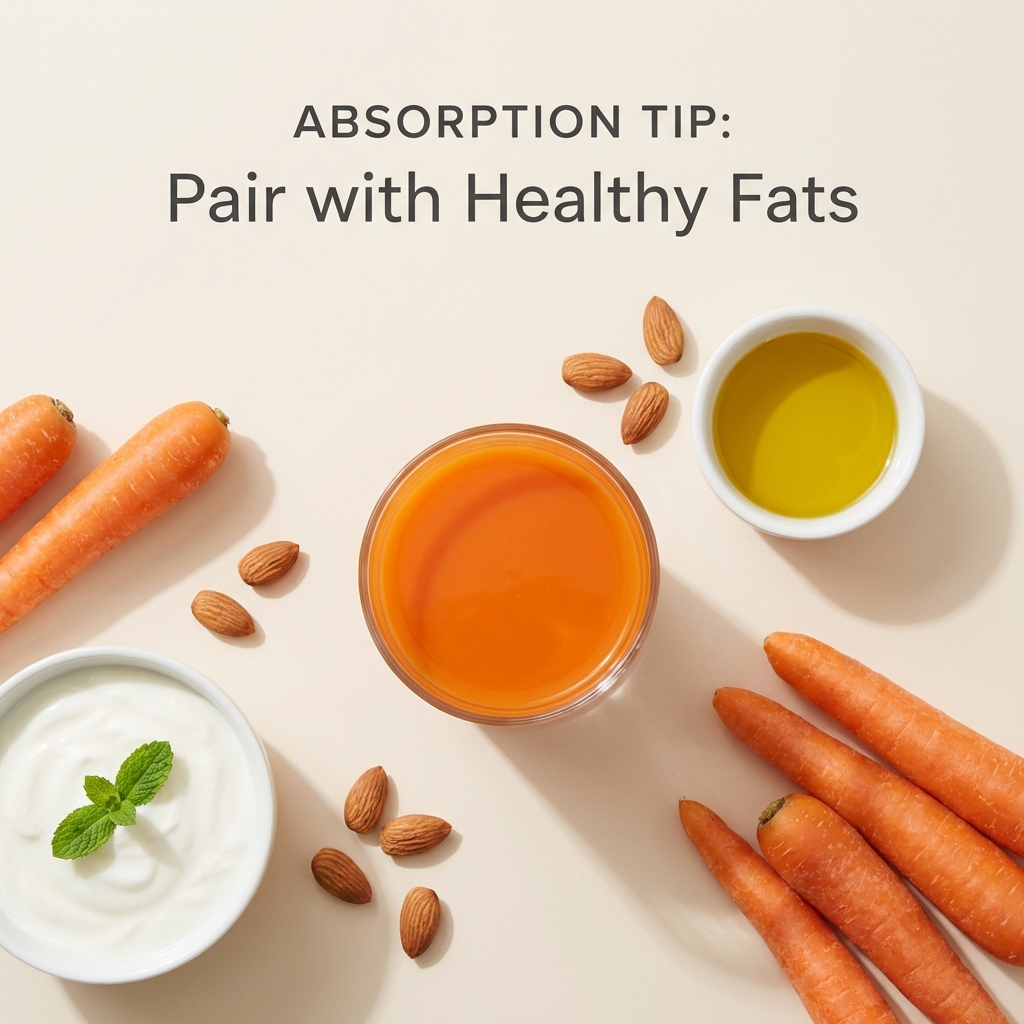
Beta-carotene is fat-soluble, so having it with olive oil, yogurt, or nuts helps. Heat and blending break down plant cell walls, making it more bioavailable. Studies show carrot juice produces higher blood beta-carotene levels than raw carrots.
The routine itself can help if you design it right.
If a morning juice makes you eat real breakfast, drink water, or skip the drive-thru, that spillover is real. But only if the habit is easy to maintain and easy to stop. Once it becomes guilt-driven, the benefit flips to stress.
The Hidden Risks No One Talks About
GI issues are common.
Carrot juice can cause bloating, gas, or diarrhea, especially if you chug a big glass on an empty stomach. That’s not a carrot problem. It’s a volume and timing problem.

Your skin can turn yellow-orange.
Long-term high intake causes carotenodermia. Your palms and soles get a yellowish tint. It’s harmless and reversible (weeks to months after you cut back), but if that visual stresses you out, it defeats the “wellness” point.
The real danger is supplement escalation.
People start with juice, feel good, then jump to high-dose beta-carotene pills. But supplements are not the same as food.
Large trials (ATBC, CARET) found high-dose supplements increased lung cancer risk in smokers and former smokers.
The NIH and UK’s NHS both warn against this. Classic “I thought I was being healthy” mistake, totally avoidable if you stay in the food lane.
How I Decide If Carrot Juice Is Worth It
Failure Prevention Strategies
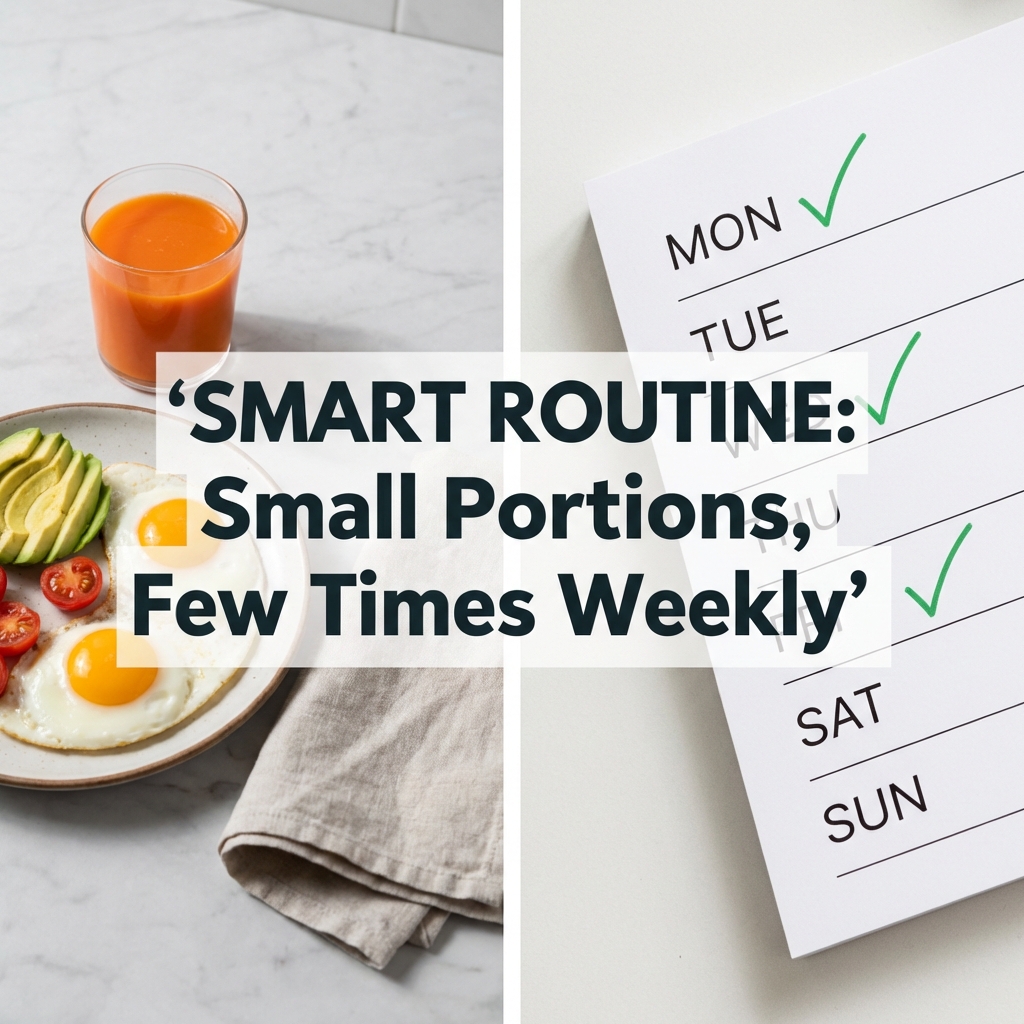
If your gut is sensitive or you tend to overdo “healthy” habits when anxious, don’t start with daily juice. Start small. 150 to 200 ml, a few times a week, with a meal. Watch for bloating or that yellow tint. Scale back without drama if needed.
Matching Carrot Juice to Your Real Life
Busy mornings?
Small juice with nuts works, but not on an empty stomach if you’re rushing to a meeting.
Date week?
I’d rather eat something I can chew. Juice won’t ruin your breath, but stomach discomfort shows on your face.
Parenting survival mode?
Frozen carrots you steam and blend are more sustainable than daily juicing.
Sensitive gut or skin?
Smoothies or soup keep fiber, slow absorption, reduce yellow-skin risk.
The Dishwashing Reality Check
Juicers are annoying to clean. Most people quit. Blenders are faster. I batch-make carrot soup on weekends, reheat on weekdays. That’s the version that survives real life.
Managing Risks the Smart Way
Carrot juice in normal amounts? Low risk, reversible. High-dose supplements for “anti-aging”? Not proportionate, especially if you smoke or used to. I don’t take that bet.
Why Sustainability Equals Value
The cheapest routine you abandon in two weeks is the worst value. The routine you maintain (easy cleanup, fits your schedule) is the real ROI.
Trusting Reviews That Show Downsides First
My honest take is this. Carrot juice didn’t give me instant glow. It helped when it was part of a reset (better sleep, more protein, less sugar). Drinking too much on an empty stomach made me bloated and irritable. That’s why I don’t do “daily.” I do “a few times a week, with food.” That version I can sustain.
What Actually Happened When I Tried It
Day three, I felt “clean,” that placebo high where you think you’re glowing. Day five, I felt puffy and weirdly irritable in the afternoon. My body’s early warning was clear. The problem wasn’t carrots, it was how I was using them (too much, too often, too performative).
I cut the portion in half, stopped doing it on an empty stomach, treated it like a side habit instead of a personality. Bloating eased. Mood stabilized. Takeaway is simple. When I keep a habit reversible, my anxiety drops and results improve.
My Final Decision on Carrot Juice
I don’t treat carrot juice as an “anti-aging secret.” I treat it as a low-drama, reversible experiment. Small glass 3 to 4 times weekly, with a meal, never on an empty stomach. No daily commitment, no supplements. My real anti-aging budget goes to boring basics (sunscreen, sleep, protein, lifting).

That gives me control, low decision fatigue, and minimal regret. If you want a routine that lasts longer than the news cycle, design for freedom and minimal drama, not the algorithm.
Q&A. About Carrot Juice
Can I drink it every day?
You can, but I don’t recommend starting that way. Begin with 150 to 200 ml, 3 to 4 times weekly, with food. Adjust based on how your body responds.
Will it make me look younger?
Not on its own. Beta-carotene has antioxidant properties, but sunscreen, sleep, protein, and lifting have stronger anti-aging evidence. Juice can be part of a strategy, not the strategy.
Should I take supplements for faster results?
No, especially if you smoke or used to. Stick to food. Safer, reversible, harder to overdo.
Best way to consume carrots for benefits?
Best way to consume carrots for benefits?
Smoothies and soup keep fiber, reduce GI upset. Juicing is fine if you keep portions small and pair with fat. I prefer soup because it’s easier to maintain.
My palms look orange. Should I stop?
Just cut back. Carotenodermia is harmless and reversible. It fades over weeks to months. If it stresses you, scale down now.
- Vitamin A and Carotenoids – Health Professional Fact Sheet
- Carotenaemia (carotenemia), carotenosis
- Vitamins and minerals – Others – NHS
- Comparative bioavailability of β-carotene from raw carrots and fresh carrot juice in humans: a crossover study – PMC